


History of Mau Binh
Mậu Binh, a captivating card game known by various names such as Three Kingdoms or Big Two, has woven its way into the cultural fabric of countless societies worldwide. While its precise origins remain cloaked in mystery, this game’s rich history is intricately intertwined with the tapestry of East Asian culture, leaving an enduring mark on generations of players. This article delves into the fascinating journey of Mậu Binh, tracing its evolution from humble beginnings to its status as a global phenomenon.
The Origins: A Tale of Two Countries
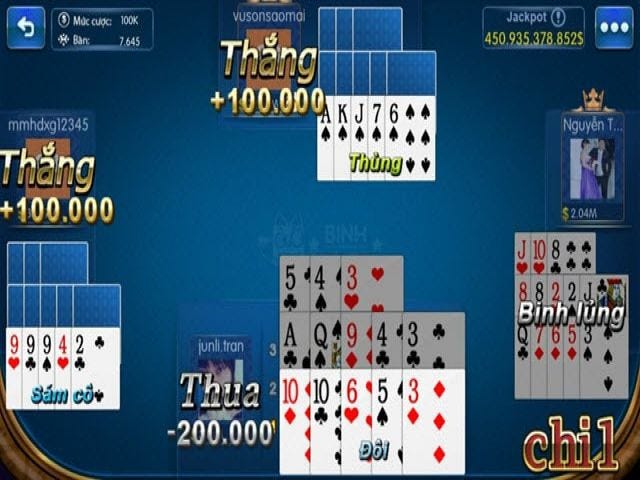
While the specific genesis of Mậu Binh remains elusive, historical evidence points to its inception in Southeast Asia, particularly in Vietnam and Thailand. The game’s name, Mậu Binh, is Vietnamese, indicating its strong ties to this nation.
See more: 8xbet
Vietnam: The Birthplace of Mậu Binh
The most widely accepted theory suggests that Mậu Binh originated in Vietnam during the 18th or 19th century. The game’s structure, with its focus on strategic hand formation and bidding, aligns well with the Vietnamese tradition of cờ tướng (Chinese chess) and other games emphasizing strategic thinking.
During this period, Vietnam was a vibrant hub of cultural exchange, and the game’s mechanics may have been influenced by various card games brought by traders and travelers from neighboring regions. The combination of these influences, coupled with the Vietnamese penchant for strategic gameplay, gave birth to the unique and captivating game we know today as Mậu Binh.
Thailand: A Potential Parallel Evolution
There is also evidence that a similar game, known as Da Mậu, existed in Thailand around the same period. Da Mậu, which also utilizes a deck of 52 cards, emphasizes collecting sets of cards and achieving specific hand combinations.
The strong similarities between Da Mậu and Mậu Binh suggest a potential connection or shared ancestry. It is possible that the games evolved in parallel, influenced by the cultural exchanges and trade routes that crisscrossed Southeast Asia during that era.
The Spread: From Local Communities to Global Embrace

As Mậu Binh gained popularity in its birthplaces, it began to spread its wings, carried by the winds of cultural diffusion and migration. Traders, travelers, and immigrants played a pivotal role in introducing this captivating game to new regions and communities.
Diaspora and Cultural Exchange
The Vietnamese and Thai diasporas played a significant role in the dissemination of Mậu Binh. As people from these communities settled in various parts of the world, they brought their beloved game with them, sharing it with their new neighbors and friends.
This cultural exchange facilitated the game’s spread to areas such as China, Taiwan, Singapore, and even as far as the United States and Europe. In each new location, Mậu Binh adapted and evolved, absorbing local influences while retaining its core essence.
Variations and Local Adaptations
As Mậu Binh traveled across borders, it spawned numerous variations and local adaptations. These variations often reflected the unique cultural nuances and preferences of the regions where the game took root.
For instance, in China, the game is known as “Dà Èr” or “Big Two,” while in Taiwan, it is commonly referred to as “Sap Sam Peng” or “Three Kingdoms.” These local names and adaptations added richness and diversity to the game’s global tapestry.
Online Communities and Digital Platforms
In the modern era, the advent of digital technologies and online communities has accelerated the spread of Mậu Binh. Online forums, social media groups, and dedicated gaming platforms have facilitated the sharing of strategies, rules, and variations, fostering a global community of enthusiasts.
Mobile applications and online multiplayer platforms have further democratized access to the game, allowing players from different corners of the world to connect and engage in friendly competition or casual gameplay.
The Rules and Gameplay: A Delicate Balance of Strategy and Chance

At its core, Mậu Binh is a game that strikes a delicate balance between strategy and chance, making it both challenging and engaging for players of all skill levels.
The Deck and Card Rankings
Mậu Binh is typically played with a standard deck of 52 cards, with each suit having a distinct ranking. The rankings, from highest to lowest, are typically as follows:
- Spades (Highest)
- Hearts
- Diamonds
- Clubs (Lowest)
Within each suit, the cards are ranked in the traditional order, with the Ace being the highest and the 2 being the lowest.
Hand Formation and Bidding
The gameplay of Mậu Binh revolves around the formation of strategic hands and the art of bidding. Players are dealt a specific number of cards, and they must carefully assess their hands and determine the optimal bid.
The bidding process is a crucial aspect of the game, as it involves players evaluating the strength of their hands and deciding whether to pass or bid a specific number of tricks (or rounds) they believe they can win.
Trick-Taking and Strategy
Once the bidding is complete, the game progresses through a series of tricks, where players take turns playing cards from their hands. The player who played the highest card of the led suit wins the trick and collects the cards.
Strategy plays a pivotal role in Mậu Binh, as players must carefully manage their card resources, read their opponents’ moves, and anticipate potential outcomes. Skilled players employ techniques such as card counting, memorization, and bluffing to gain an edge over their opponents.
Scoring and Winning
The scoring system in Mậu Binh varies depending on the specific variant played, but generally, players aim to meet or exceed their bid to score points or avoid penalties. The game continues until a predetermined score or number of hands is reached, with the player or team accumulating the highest score declared the winner.
Cultural Significance and Social Impact
Beyond its captivating gameplay, Mậu Binh has woven itself into the cultural fabric of the societies where it has taken root, serving as a vehicle for social interactions, community building, and intergenerational bonding.
Family Gatherings and Social Events
In many cultures, Mậu Binh has become an integral part of family gatherings and social events. Generations of families have gathered around the card table, passing down the game’s traditions and strategies from elders to younger members.
These gatherings not only foster a shared love for the game but also promote values such as respect, patience, and strategic thinking. The friendly competitions and banter that accompany a game of Mậu Binh create lasting memories and strengthen family bonds.
Community Building and Social Cohesion
Beyond the family unit, Mậu Binh has played a significant role in fostering community building and social cohesion. Local tournaments, clubs, and gatherings centered around the game have brought people together, transcending cultural and linguistic barriers.
These social spaces have provided opportunities for individuals to connect, forge new friendships, and celebrate their shared passion for the game. In many communities, Mậu Binh has become a cultural touchstone, contributing to a sense of identity and belonging.
Intergenerational Connections
One of the most remarkable impacts of Mậu Binh is its ability to bridge generational gaps. The game’s enduring popularity and accessibility have made it a common ground for individuals of all ages to connect and engage in friendly competition.
Grandparents, parents, and children have found joy in sharing the thrill of a well-played hand or the camaraderie of a spirited game. This intergenerational bonding has fostered mutual understanding, respect, and the preservation of cultural traditions across generations.
Professional Leagues and Competitive Play
As the popularity of Mậu Binh has grown, so too has the desire for organized competitive play. Professional leagues and tournaments have emerged, attracting skilled players and enthusiasts from around the world.
National and International Tournaments
In regions where Mậu Binh has a strong following, national and international tournaments have become regular fixtures. These events bring together the best players from diverse backgrounds, creating a platform for cultural exchange and friendly competition.
Prestigious tournaments such as the World Series of Mậu Binh or the Asia Pacific Mậu Binh Championship draw thousands of participants and spectators, showcasing the game’s global reach and the passion of its devoted following.
Professional Players and Strategies
With the rise of competitive play, a new breed of professional Mậu Binh players has emerged. These skilled individuals have dedicated countless hours to honing their strategies, mastering card counting techniques, and developing unique approaches to the game.
Professional players often employ intricate tactics, such as team-based strategies, psychological warfare, and advanced statistical analysis, to gain an edge over their opponents. Their performances have inspired aspiring players and contributed to the evolution of the gameas a competitive sport.
Sponsorship and Media Coverage
The professionalization of Mậu Binh has also attracted corporate sponsorships and media coverage. Major companies have recognized the game’s appeal and its ability to reach a diverse audience, leading to lucrative partnerships and endorsements for top players and tournaments.
Media outlets now regularly broadcast Mậu Binh competitions, providing fans with live coverage, expert analysis, and player interviews. This increased visibility has not only elevated the status of the game but has also introduced it to new audiences worldwide.
Evolution of Strategies and Tactics
As Mậu Binh transitions into a competitive sport, players are constantly evolving their strategies and tactics to stay ahead of the competition. New techniques, such as machine learning algorithms, data analytics, and artificial intelligence, are being employed to analyze gameplay patterns and optimize decision-making.
The game’s strategic depth and complexity continue to challenge players to think creatively, adapt to changing circumstances, and innovate new approaches. The evolution of strategies in Mậu Binh reflects the dynamic nature of the game and its enduring appeal to players seeking intellectual stimulation and competitive thrills.
Technological Advancements and Online Platforms
In the digital age, Mậu Binh has embraced technological advancements to reach a wider audience and provide players with convenient ways to enjoy the game anytime, anywhere.
Online Gaming Platforms
Online gaming platforms have revolutionized the way Mậu Binh is played, offering virtual environments where players can compete against opponents from around the world. These platforms provide a seamless and immersive gaming experience, complete with interactive features, matchmaking capabilities, and social networking functionalities.
Players can now access Mậu Binh on their computers, smartphones, or tablets, allowing for greater flexibility and convenience. The democratized access to the game has enabled enthusiasts to connect, compete, and engage in friendly matches without geographical constraints.
Virtual Reality and Augmented Reality
Emerging technologies such as virtual reality (VR) and augmented reality (AR) have further enhanced the Mậu Binh experience, immersing players in realistic and interactive gameplay environments. VR headsets and AR devices transport players to virtual card tables, where they can interact with digital cards and opponents in real-time.
These innovations have added a new dimension to Mậu Binh, blurring the lines between physical and digital gameplay. Players can now experience the thrill of a traditional card game in a futuristic setting, enhancing their immersion and enjoyment of the game.
Mobile Applications and Social Integration
Mobile applications dedicated to Mậu Binh have proliferated, offering players a convenient way to enjoy the game on the go. These apps feature intuitive interfaces, engaging visuals, and customizable settings that cater to players of all skill levels.
Moreover, social integration features allow players to connect with friends, join clubs, and participate in global tournaments within the app. The social aspect of Mậu Binh is preserved in these digital spaces, fostering a sense of community and camaraderie among players worldwide.
Conclusion
In conclusion, Mậu Binh stands as a timeless card game that has transcended cultural boundaries, united generations, and evolved into a competitive sport embraced by players worldwide. Its rich history, strategic depth, and social significance have cemented its status as a beloved pastime and a symbol of cultural heritage.
As Mậu Binh continues to adapt to the modern era through technological innovations and online platforms, its legacy remains strong, promising to inspire future generations of players and enthusiasts. Whether played at a family gathering, a local club, or an international tournament, Mậu Binh embodies the spirit of camaraderie, competition, and intellectual challenge that defines the essence of a truly remarkable game.


